Neptune Play Payment Methods UK: Deposits, Withdrawals and Limits
 Available in GB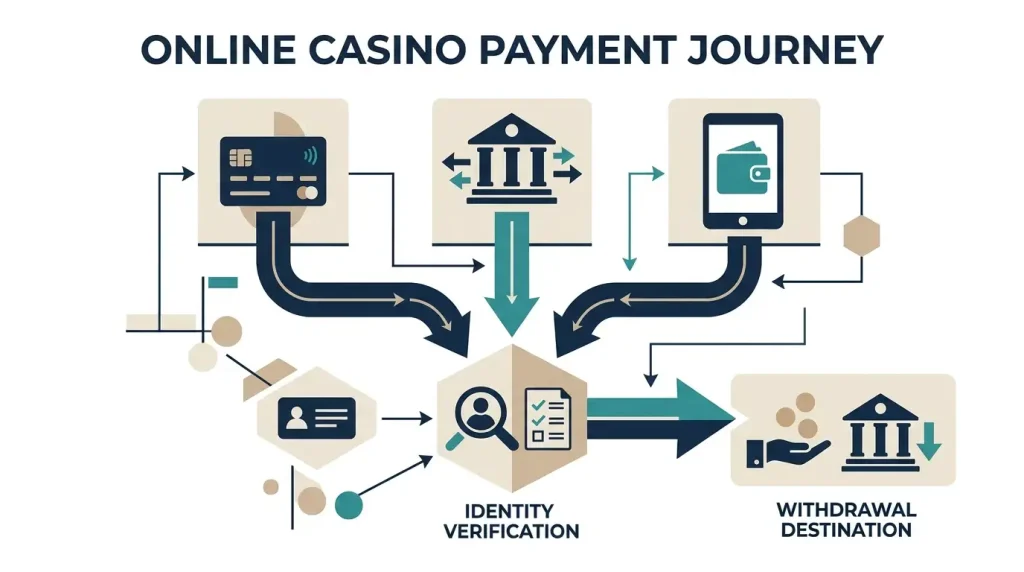
UK payments guide
Neptune Play is currently associated with a broad set of UK-facing payment routes, including Visa and Mastercard debit cards, PayPal, Trustly, Skrill, MuchBetter, Paysafecard and bank or e-wallet options. The exact method list can differ between deposits and withdrawals, so the cashier is the final place to confirm what is available to your account. For the broader casino overview, see the Neptune Play review.
Two boundaries are more important than a copied payment table. First, Great Britain-licensed operators cannot accept credit cards for gambling, including credit-card funds passed through an e-wallet. Second, current third-party pages disagree on exact Neptune Play withdrawal fees, limits and processing times. Check the logged-in cashier for the transaction-specific terms.
Table of Contents
- Payment methods verified for UK use
- Deposits: what the UK credit-card ban changes
- Withdrawals: what is known and what is not
- Fees, limits and processing times need a direct check
- How KYC can affect a cashout
- Choosing a payment route for practical use
- How Neptune Play payments work for UK players in practice
Payment methods verified for UK use
Recent independent sources consistently show Neptune Play supporting several mainstream UK payment categories. Debit-card funding is represented by Visa and Mastercard debit. E-wallet and digital-payment options reported across current sources include PayPal, Skrill and MuchBetter, while Trustly provides an online-banking route. Paysafecard is also repeatedly listed as a deposit option, though a deposit method should never be assumed to support withdrawals as well.
UK players have access to debit-card, e-wallet, prepaid and bank-connected payment categories. Individual availability can depend on account status, transaction direction and the live cashier, so confirm the route you intend to use before depositing or withdrawing.
| Payment category | Examples currently reported for Neptune Play | What to confirm in the cashier |
|---|---|---|
| Debit card | Visa Debit, Mastercard Debit | Deposit availability and whether card withdrawal is offered for your account |
| E-wallet | PayPal, Skrill, MuchBetter | Whether the wallet is accepted for deposits, withdrawals or both |
| Bank-connected | Trustly and bank-transfer routes | Current transaction direction, limits and any bank-side conditions |
| Prepaid | Paysafecard | Deposit use and whether a different method is required for withdrawal |
Apple Pay and other digital wallet routes also appear in recent coverage, but their availability can depend on device and how the underlying funding source is classified. The UK credit-card rule still applies: a wallet cannot be used as a route to gamble with prohibited credit-card funds.
For practical use, start by asking which method you already trust and can use for both account funding and returning funds. A method that is convenient for a deposit is not automatically the best withdrawal route. If a payment method cannot receive withdrawals, the operator may need to return funds through another eligible route subject to account and compliance checks.
For everyday use, the most useful distinction is between a method being available and a method being suitable for the full deposit-to-withdrawal cycle. A funding option may appear at deposit while withdrawal routing can depend on the account history and the methods supported for returning funds. Before choosing a route, check the cashier from the logged-in account and look at both directions rather than assuming that every deposit option creates an identical cashout path.
Method choice can also affect how simple the account record is to follow. Using a payment route that belongs to you and matches the details on the gambling account reduces avoidable mismatches during identity or payment checks. The important point is not that one category is universally faster or better, but that the method should be permitted for UK gambling, available in the current cashier and practical for both funding and later withdrawal.
Deposits: what the UK credit-card ban changes
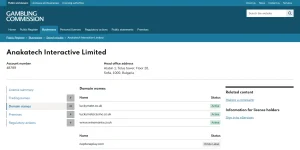
The most important UK-specific rule is not a Neptune Play preference. Gambling Commission Licence Condition 6.1.2 says licensees must not accept payment for gambling by credit card. The rule covers remote gambling and also extends to payments made through a money service business. In practical terms, using an e-wallet does not turn credit-card money into an acceptable gambling deposit.
That leaves debit cards, eligible e-wallet balances, bank routes and other approved methods as the normal funding paths. Debit cards are especially important in the British market: Gambling Commission research has described them as the dominant rail for remote-gambling deposits. PayPal and other e-wallets are also familiar options, but each operator controls which wallets it supports and what restrictions attach to them.
At Neptune Play, current sources repeatedly list Visa and Mastercard in the payment set, and UK-facing coverage explicitly treats those card deposits as debit rather than credit. If your card product is unusual, do not assume the network logo alone makes it eligible. The underlying funding type matters.
Deposit timing can be affected by the payment method, account status, bank processing, security checks or temporary provider issues. Before confirming a deposit, check whether the route is supported and whether the cashier displays a fee, minimum or other condition.
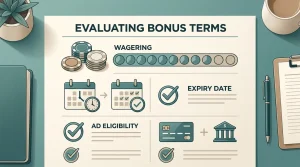
Bonus eligibility should also be checked separately. A payment method can be valid for depositing but excluded from a particular promotion. That does not mean the method is unavailable; it only means the promotion has its own rules. If you are funding an account specifically to claim an offer, read the current offer terms before choosing the deposit route.
Withdrawals: what is known and what is not
Neptune Play supports withdrawals through several payment routes, with current independent sources listing combinations of e-wallet, bank-connected and card-based methods. The exact withdrawal set is not identical to the deposit set. Paysafecard, for example, is commonly listed as a funding method but not a withdrawal destination, which illustrates why the two directions should be treated separately.
Current third-party pages publish different values for exact withdrawal times, fees and periodic limits. Use the logged-in withdrawal screen for the methods, minimums, maximums, fees and processing information that apply to your account rather than treating one review table as definitive.
The logged-in withdrawal screen can show the methods available to your account and may display minimums, maximums, fees or processing information before you submit. Those transaction-specific details are more useful than an older review table.
When possible, withdrawing back to a method already associated with your account can make the payment trail simpler, but operator rules, anti-money-laundering controls and payment-provider constraints can affect the route. Do not assume you can freely choose any listed method for cashout just because it is available for deposits.
Also distinguish operator processing from payment-network settlement. A request can move through account approval and then through a bank or wallet provider. A third-party review may compress those stages into one number, which is another reason not to treat a quoted speed as universal.
A sensible withdrawal check starts before the first deposit. Confirm which cashout options are visible, whether the account shows any method-specific instructions, and whether verification is complete enough for normal account use. That does not create a guaranteed payout time, but it reduces the chance of discovering basic account or routing requirements only after a withdrawal is requested. If the cashier presents a limit or fee, use that live account information rather than a value copied from an older review.
When a withdrawal is pending, separate the operator’s processing stage from the payment method’s own settlement stage. The page should not be read as promising a fixed number of hours for either stage. What can be checked is the status shown in the account, any request for information that is legitimately required, and the destination method selected for the withdrawal. Those are more dependable than a generic ‘instant’ or ‘same-day’ label.
Fees, limits and processing times need a direct check
Current reviews disagree on exact fees, withdrawal limits and payout times. Some list low minimum withdrawals and short e-wallet times, while others show different limits, processing windows or card availability. Check the cashier and current operator terms before choosing a route.
For that reason, treat the cashier and current operator terms as the source for exact transaction values. Before confirming a withdrawal, check four things: the minimum amount, any maximum that applies to the transaction or period, any operator fee, and the stated processing stage or estimate. If the screen does not make a condition clear, use customer support before committing to the route.
This is particularly important if you are comparing methods only on speed. A faster-looking wallet can be less useful if you cannot fund or verify it in the way required for your account. Likewise, a bank route can be slower in some cases but easier to reconcile with your normal banking activity. There is no universally best route without knowing the live conditions shown to you.
Check exact withdrawal terms before cashout
Before cashout, check the exact Neptune Play withdrawal fee, any daily or monthly limit, and the displayed processing information in the current account interface or operator terms.
How KYC can affect a cashout
KYC is part of the wider account process, not a fee or payment method. Current Neptune Play reviews describe account verification as relevant to withdrawals, while UK regulation sets the broader standard for remote operators. Gambling Commission Licence Condition 17 requires remote licensees to obtain and verify information establishing a customer’s identity before that customer is permitted to gamble. The minimum identity data include name, address and date of birth.
The same licence condition also addresses a common withdrawal frustration. A withdrawal request should not become the first point at which an operator demands information it could reasonably have requested earlier. That does not prevent later checks when another legal obligation arises, such as anti-money-laundering requirements, but it means verification should not simply be postponed until a customer asks for money back.
Document requests and verification timing can vary by account. If the account requests evidence, follow the instructions shown in the secure account area and make sure names and addresses are consistent across the account and payment method.
From a practical perspective, complete requested identity checks promptly and before relying on a time-sensitive withdrawal. If the operator asks for new information only at cashout, distinguish between a genuinely new legal requirement and information that could reasonably have been collected earlier. The KYC and withdrawals covers that process in more detail.
Choosing a payment route for practical use
A useful payment choice starts with reliability, not a marketing claim about “instant” payouts. First, pick a method that is actually shown in your Neptune Play cashier. Second, prefer a route you control directly and can document if verification is required. Third, confirm whether it works for withdrawals as well as deposits. Fourth, read any displayed fee or limit before confirming.
Debit cards suit many UK players because they are familiar and widely used for remote-gambling deposits, while the credit-card ban makes the distinction especially clear. E-wallets such as PayPal or Skrill can be convenient for users who already maintain those accounts. Trustly or bank-transfer routes can appeal to players who prefer a direct banking connection. Paysafecard can be useful for controlled prepaid deposits but may require a different cashout path.
None of those categories should be ranked without live account conditions. A method that is convenient for one player may be unavailable, slower or administratively awkward for another. The sensible comparison is therefore personal: support in your cashier, withdrawal compatibility, the information you need to provide, and the exact live terms shown before the transaction.
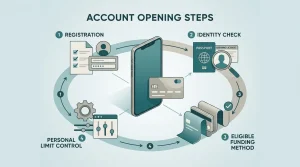
If you are opening a new account, it is also worth understanding the account flow before depositing. See the account setup for registration context, and the UKGC requirements for the regulatory framework behind identity and payment controls.
Deposit support and withdrawal support are separate checks. A method can be convenient for adding funds yet still require a different cashout route, so look at both directions before making the first deposit if withdrawal compatibility matters to you. The same separation helps with timing: a payment method can process normally while an account is still waiting for a legitimate identity or other legal check. Reading the cashier together with the account-verification guidance makes it easier to tell a payment-route question from an account-status question.
Before settling on a payment route, think through the whole account journey: deposit, possible verification, and withdrawal. The best fit is a permitted method that is available to you, uses details that match the account and remains practical when funds are returned. This avoids choosing solely on the deposit screen and then discovering that the cashout route works differently. If the cashier gives method-specific instructions, follow those current instructions rather than assuming the same rules apply to every payment category.
How Neptune Play payments work for UK players in practice
Neptune Play offers a broad UK-facing mix of debit-card, e-wallet, prepaid and bank-connected payment routes. Visa and Mastercard debit, PayPal, Trustly, Skrill, MuchBetter and Paysafecard are repeatedly reported, while the live cashier determines which methods are available for your specific deposit or withdrawal.
Use three checks before moving money: confirm the method and transaction direction in the cashier, remember that UK gambling deposits cannot be funded by credit card, and complete any legitimate identity checks requested through the account. For exact withdrawal fees, limits or processing times, rely on the current operator interface or terms rather than an older review table.